The internet is awash with questions regarding the presence of foreign military installations, and one particular query that frequently surfaces is about "etats-unis base istres" or, more broadly, US military bases in France. The idea of a significant American military footprint in a strategically important country like France often sparks curiosity, speculation, and sometimes, misinformation. This article aims to provide a comprehensive fact-check, delving into the historical context, current realities, and the truth behind searches for an "etats-unis base istres," clarifying once and for all the actual status of US military presence in France.
Our research, echoed by experiences like those encountered when searching image databases or official records, consistently points to a clear answer: there are no permanent US military bases in France today. While the United States and France share a deep, long-standing alliance and collaborate extensively on defense matters, the nature of their military cooperation does not include permanent American bases on French soil. The mention of "Istres" specifically often refers to the highly significant French Air Base 125 Istres-Le Tubé, a vital installation for France's own defense capabilities.
The Historical Context of US Military Presence in France
To fully understand why there are no permanent US military bases in France today, it's crucial to look back at history. The relationship between the two nations has been complex and dynamic, especially in the post-World War II era.
Following World War II, a substantial American military presence was indeed established in France. This presence was critical for the early stages of NATO and for safeguarding Western Europe against potential Soviet aggression during the Cold War. Numerous US military facilities, including air bases, supply depots, and command centers, operated across France. These bases played a pivotal role in the security architecture of the nascent North Atlantic Treaty Organization.
However, this era came to an end in the mid-1960s. In 1966, under the leadership of President Charles de Gaulle, France announced its decision to withdraw from NATO's integrated military command structure, though remaining a political member of the alliance. This decision was driven by a desire for greater national sovereignty and an independent defense policy. As a direct consequence, all foreign military forces, including US troops and their installations, were required to leave French territory. By 1967, the last American military bases were deactivated and evacuated from France, marking a significant shift in the transatlantic defense landscape.
Since then, despite France's eventual return to NATO's integrated command in 2009, the policy regarding foreign military bases has remained consistent: France does not host permanent foreign military installations on its soil. This historical context is vital for understanding why searches for "etats-unis base istres" or similar queries about US bases in France will not yield results of permanent installations.
Istres Air Base: A Cornerstone of French Defense, Not American
One of the most frequent points of confusion when discussing potential US bases in France centers around Istres. When people search for "etats-unis base istres," they are likely referring to Istres Air Base: A French Military Installation, Not US. Officially known as Base Aérienne 125 (BA 125) Istres-Le Tubé, this facility is unequivocally a premier base of the French Air and Space Force.
Key Facts About Istres Air Base:
- Strategic Importance: Istres is one of France's most strategically vital air bases. It serves as a base for various French Air and Space Force units, including aerial refueling tankers (essential for projecting power), strategic transport aircraft, and is a key hub for France's airborne nuclear deterrent.
- Unique Capabilities: The base boasts one of the longest runways in Europe (nearly 5,000 meters), capable of handling large aircraft and even space shuttle landings in an emergency. This impressive infrastructure makes it a critical asset for France.
- Testing and Evaluation: Istres is also home to various testing and evaluation units for new aircraft and systems, playing a crucial role in the development and modernization of French military aviation.
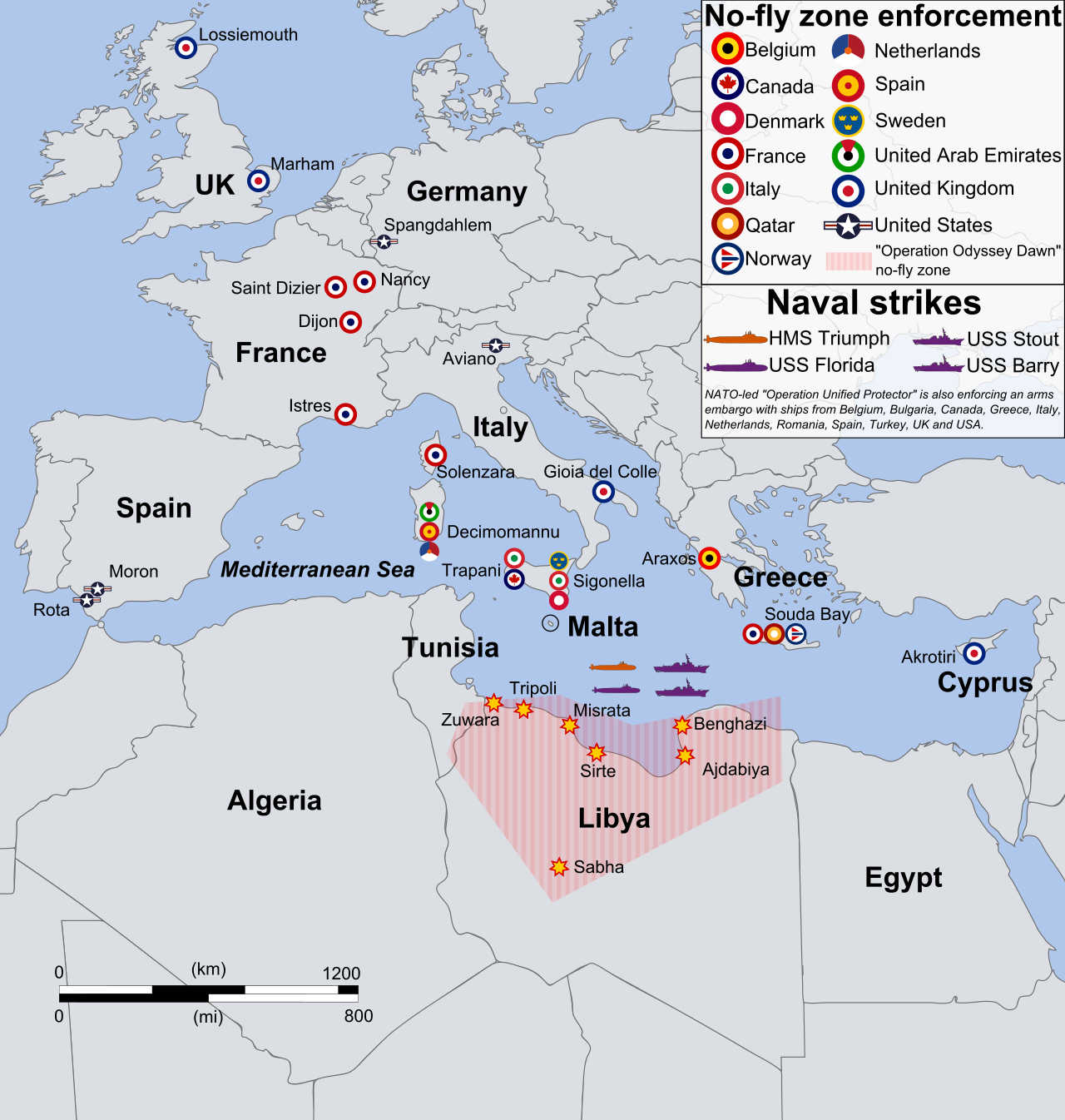
- International Collaboration: While purely a French base, Istres frequently hosts joint and multinational exercises. Aircraft from allied nations, including the United States, occasionally land at Istres for logistical purposes, training exercises, or to participate in collaborative operations. These temporary presences, however, should not be mistaken for permanent basing.
The robust capabilities and strategic significance of Istres Air Base often lead to its perception as a potential site for international military activity, including American presence. However, it's essential to emphasize that any US military personnel or aircraft present at Istres do so on a temporary, invitational basis for specific missions, exercises, or transit, under French command and control. There is no permanent "etats-unis base istres."
Understanding Franco-American Military Cooperation Today
The absence of permanent US military bases in France does not imply a lack of military cooperation between the two NATO allies. On the contrary, Franco-American defense ties are robust, extensive, and cover a wide range of activities. This collaboration is crucial for addressing global security challenges and enhancing collective defense capabilities.
Forms of Franco-American Military Cooperation:
- Joint Exercises: Both nations regularly participate in bilateral and multilateral military exercises, particularly within the NATO framework. These exercises enhance interoperability, test joint command structures, and prepare forces for complex operations.
- Intelligence Sharing: France and the US share critical intelligence on various threats, including terrorism, cyber warfare, and regional conflicts. This intelligence exchange is vital for national and international security.
- Counter-Terrorism Operations: Both countries are frontline partners in the fight against international terrorism, particularly in regions like the Sahel, where France has a significant military presence and the US provides crucial support.
- Technological Collaboration: There are ongoing efforts in defense technology development and procurement, fostering innovation and ensuring compatibility between military systems.
- Personnel Exchanges and Liaison: Military personnel from both nations serve as liaison officers in each other's commands and participate in exchange programs, fostering mutual understanding and strengthening ties at various operational levels.
- Naval and Air Force Port Calls: US Navy ships and Air Force aircraft routinely make port calls and transit stops at French facilities, including airbases like Istres, for logistical support, resupply, or diplomatic engagements. These are temporary visits, not indicative of permanent bases.
This multifaceted cooperation demonstrates that a powerful military alliance can thrive without the necessity of permanent basing. The relationship is built on shared values, strategic interests, and a commitment to global stability, rather than physical installations.
Dispelling Common Misconceptions and Finding Accurate Information
The proliferation of information online means it's more important than ever to fact-check claims, especially regarding sensitive topics like military installations. Searches for Searching for US Military Bases in France: What We Found can often lead to outdated information, speculative articles, or simply a lack of concrete evidence, as our own reference context for this article demonstrates with its "no results found" outcomes.
Tips for Fact-Checking Military Claims:
- Consult Official Sources: Always prioritize information from official government websites (e.g., the US Department of Defense, the French Ministry of the Armed Forces), NATO, or well-established, reputable news organizations with dedicated defense correspondents.
- Distinguish Permanent vs. Temporary Presence: Understand the difference between a permanent military base and temporary deployments for exercises, transit, or diplomatic visits. A permanent base involves long-term land leases, infrastructure development, and a resident command structure.
- Check Dates: Ensure the information you are reading is current. Military presences and policies can change over time.
- Look for Consensus: If a claim is widely reported across multiple credible sources, it's more likely to be accurate. If only one or two obscure sources mention it, exercise caution.
It's vital to rely on verified data rather than anecdotal evidence or outdated maps. The strategic landscape is constantly evolving, but the core fact regarding US military bases in France remains unchanged since the 1960s. The occasional sighting of a US military aircraft at a French base like Istres is a testament to strong allied cooperation, not an indication of a secret US base.
In conclusion, the inquiry into "etats-unis base istres" and the broader question of US military bases in France reveals a clear answer: there are no permanent American military bases on French territory today. This reality stems from historical decisions made in the 1960s regarding national sovereignty and defense policy. While strategic installations like Istres Air Base are crucial for France's national defense, they remain firmly under French command. The robust and enduring Franco-American defense relationship thrives through extensive cooperation, joint exercises, and intelligence sharing, rather than through a network of permanent foreign military installations. Understanding this distinction is key to accurately interpreting the dynamic and strong alliance between these two important NATO partners.